How Water Intrusion Damages Foundations and Basements
Homeowners seeking to prevent water damage to foundations and basements can rely on local contractors who specialize in waterproofing to protect their property effectively.
Understanding how water intrusion damages foundations and basements is essential for property owners looking to protect their investments. Water can seep through cracks, porous concrete, or poorly sealed areas, leading to structural weakening, mold growth, and even interior flooding. These issues often develop gradually, making early awareness and intervention crucial. Local contractors specializing in foundation and basement waterproofing are equipped to assess the specific risks in the area and recommend effective solutions to keep water out and preserve the integrity of the property.
For property owners in the region, exploring this topic is a practical step toward maintaining a safe and stable home or commercial space. Water intrusion problems can be especially common in areas with heavy rainfall or fluctuating groundwater levels, which may increase the likelihood of damage over time. Connecting with experienced service providers can help address these concerns through tailored waterproofing strategies, ensuring that foundations and basements remain dry and structurally sound for years to come. Keep reading to learn more about how water intrusion impacts properties and what local experts can do to help prevent it.
- Basement waterproofing - necessary when signs of water seepage or flooding appear, with local contractors applying drainage systems and sealants to prevent further damage.
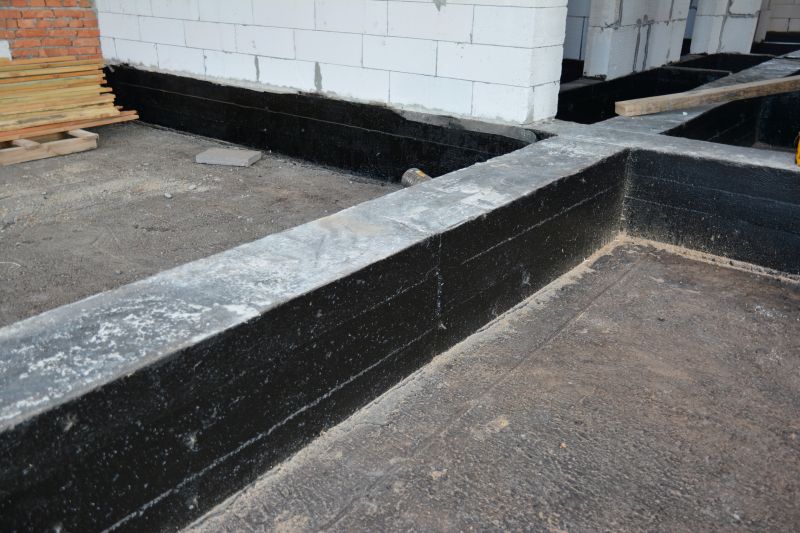
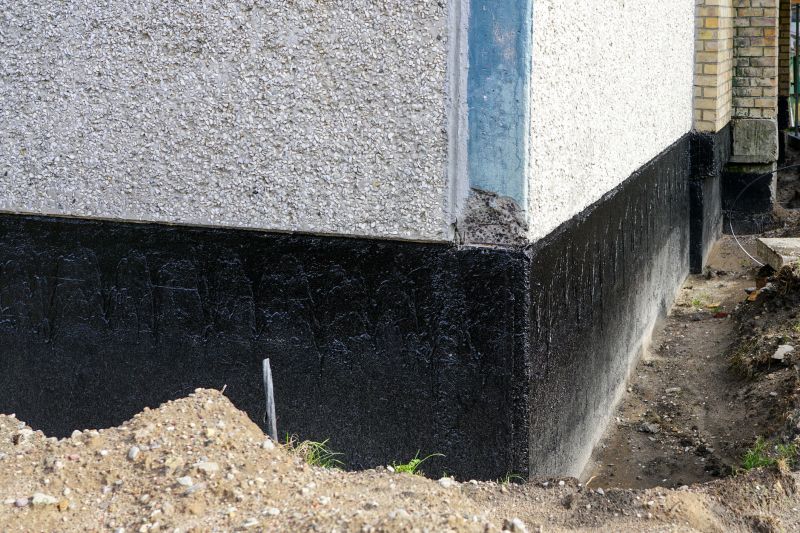
- Foundation waterproofing - needed if cracks or moisture stains are observed on foundation walls, with service providers implementing membrane barriers and waterproof coatings.
- Basement water intrusion repair - required after heavy rains or flooding, with local pros evaluating drainage issues and installing sump pumps or drainage systems.
- Foundation crack sealing - essential when cracks are detected that could allow water entry, with contractors using injections or sealants to block water pathways.
- Drainage system installation - advised when poor drainage causes water pooling around the foundation, with service providers designing solutions to direct water away from the structure.
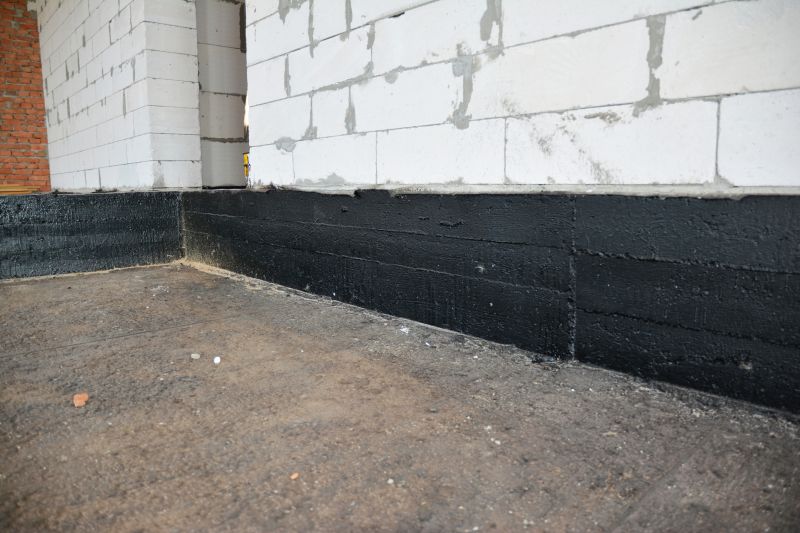
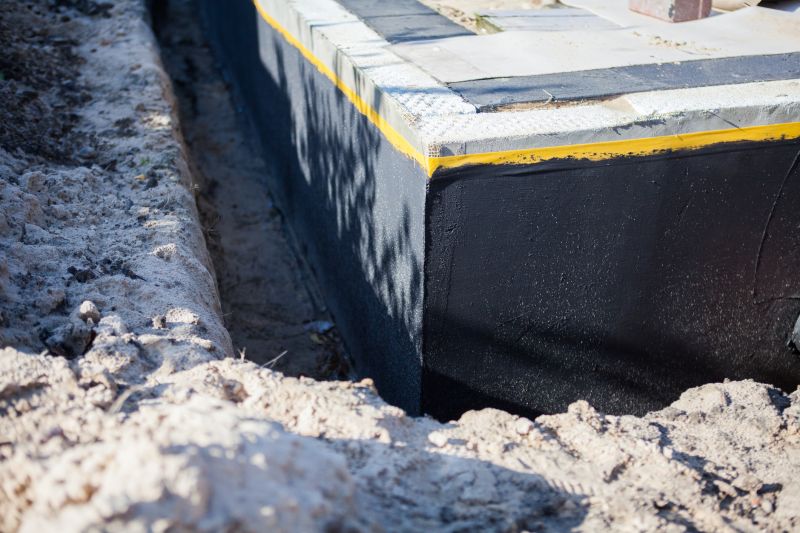
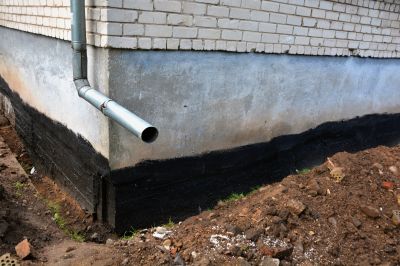
When people search for how water intrusion damages foundations and basements, they are often concerned about issues related to moisture seeping into their homes’ lower levels. This topic typically comes up during investigations into persistent dampness, musty odors, or visible signs of water leaks. Homeowners may be planning repairs, preventive measures, or upgrades to protect their property. Understanding how water can infiltrate and cause damage helps them recognize the importance of proper waterproofing and drainage solutions. Local contractors specializing in basement and foundation waterproofing are key resources for addressing these concerns, providing expertise to prevent further issues and safeguard the structural integrity of the home.
Water intrusion can lead to a variety of problems that threaten the stability and safety of a property. When water seeps through cracks or porous materials in the foundation, it can cause the concrete or masonry to weaken over time. This can result in cracks, shifting, or even settling of the foundation, which may lead to uneven floors or structural instability. In basements, water intrusion often results in flooding, mold growth, and damage to insulation, drywall, or stored belongings. Homeowners planning for repairs or improvements need to understand how these issues develop so they can choose effective waterproofing methods that address both current damage and potential future risks.
The types of properties most affected by water intrusion damage include residential homes with basements or crawl spaces, especially those built on clay or poorly drained soils. Older homes are often more vulnerable due to outdated construction methods or lack of modern waterproofing systems. Properties in areas with high rainfall, poor drainage, or fluctuating water tables are also at increased risk. Commercial buildings with below-grade spaces can experience similar issues, impacting their usability and safety. For property owners facing these challenges, working with experienced local service providers can help evaluate the specific risks and recommend tailored waterproofing solutions that protect the foundation and basement from ongoing water damage.
Understanding how water intrusion damages foundations and basements highlights the importance of proactive waterproofing measures. Local contractors who specialize in foundation and basement waterproofing can assess the property’s vulnerability, identify existing issues, and recommend effective solutions such as sump pumps, sealants, drainage systems, or waterproof membranes. These professionals play a crucial role in helping homeowners and property managers prevent water-related damage, avoid costly repairs, and maintain the long-term stability of their buildings. Connecting with experienced service providers ensures that the property’s foundation remains protected against water intrusion, preserving its value and safety for years to come.
Foundation Repair Projects - these projects involve stabilizing and restoring damaged foundations, often requiring waterproofing techniques similar to those used in basement waterproofing to prevent water intrusion.
Basement Waterproofing Installations - specialized in sealing basements against water entry, these projects share planning and moisture management skills with foundation and basement damage prevention efforts.
Drainage System Installations - effective drainage solutions help divert water away from structures, a key component in preventing water-related damage to foundations and basements.
Crawl Space Encapsulation - this process involves sealing and insulating crawl spaces to prevent moisture buildup, closely related to waterproofing practices that protect foundations from water damage.
Retaining Wall Construction - building retaining walls requires understanding soil and water management, which complements the skills used in waterproofing foundations against water intrusion.
Waterproofing Membrane Applications - applying membranes to exterior or interior surfaces to block water entry aligns directly with techniques used in preventing water damage to basements and foundations.
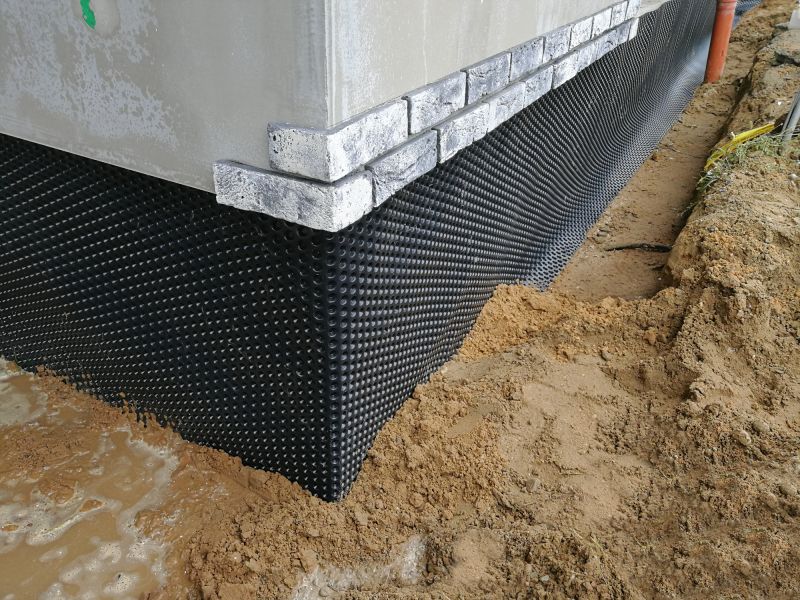
When evaluating contractors for basement and foundation waterproofing services, it is important to consider their experience with similar projects. Service providers who have a proven track record in addressing water intrusion issues can better understand the unique challenges posed by different types of foundations and basements. Asking about their past work on properties with comparable conditions can provide insight into their expertise and ability to deliver effective solutions. This familiarity often translates into more accurate assessments and tailored approaches that effectively mitigate water damage and protect the structure over time.
Clear written expectations are essential when comparing local contractors for waterproofing services. A detailed scope of work, including the specific methods and materials to be used, helps ensure that both parties understand what will be done and what results can be expected. Well-defined expectations reduce the likelihood of misunderstandings and create a basis for evaluating the quality of the work. Service providers who communicate their plans transparently and provide thorough documentation can make it easier for homeowners to assess their suitability for the project and to hold them accountable for delivering the agreed-upon results.
Reputable references and good communication are key factors in choosing a reliable contractor for waterproofing needs. Contractors who can provide references from previous clients with similar projects offer reassurance of their capability and professionalism. Additionally, clear and timely communication throughout the process helps ensure that questions are addressed and concerns are managed effectively. This ongoing dialogue can lead to a smoother experience and greater confidence that the contractor understands the importance of preventing water intrusion and the potential damages to foundations and basements caused by water infiltration.
Property owners often search for how water intrusion damages foundations and basements when they are planning practical projects around their homes and businesses. Local pros provide Basement and Foundation Waterproofing services for everyday jobs and straightforward project options.
Water intrusion can cause significant damage to foundations and basements, especially in areas where heavy rainfall or fluctuating groundwater levels are common. When water seeps through cracks or porous concrete, it can weaken the structural integrity of a property over time, leading to issues such as settling, cracks, or even collapse. Property owners often search for information on how water intrusion damages foundations and basements to better understand warning signs and prevent costly repairs, making it important to connect with experienced local contractors who specialize in waterproofing solutions.
Many property owners seek out basement and foundation waterproofing services after noticing signs like damp walls, mold growth, or musty odors in their basements. These issues often stem from ongoing water intrusion that can erode the foundation’s stability and cause interior damage. Local service providers are equipped to assess the specific causes of water problems and recommend effective waterproofing measures, such as sealing cracks or installing drainage systems, to help protect the property and maintain its value.
How does water intrusion damage foundations and basements? Water intrusion can weaken foundation walls, cause cracking, and lead to settling. In basements, it can result in flooding, mold growth, and structural deterioration over time.
What are common signs of water damage in foundations and basements? Signs include water stains, efflorescence, musty odors, cracks in walls or floors, and damp or moldy areas, indicating water intrusion issues.
How can waterproofing services help prevent water damage? Waterproofing services create barriers to stop water from penetrating foundations and basements, reducing the risk of damage and maintaining structural integrity.
What causes water intrusion in basements and foundations? Poor drainage, inadequate grading, leaks in plumbing, and cracks in foundation walls are common causes of water intrusion that can lead to damage.
Why should homeowners consider professional waterproofing for water intrusion issues? Professionals can accurately identify sources of water intrusion and implement effective solutions to protect foundations and basements from ongoing damage.
Identify water entry points - inspecting basements and foundations helps property owners pinpoint where water is seeping in, guiding the selection of waterproofing services from local contractors.
Implement drainage solutions - installing proper gutters, downspouts, and exterior grading can prevent water accumulation around the foundation, reducing the risk of damage.
Apply waterproof barriers - local service providers can help apply sealants or membranes to walls and floors, creating a barrier against water intrusion.
Schedule regular inspections - routine evaluations by local pros can detect early signs of water damage, allowing for timely waterproofing interventions to protect the structure.
If you are thinking about how water intrusion damages foundations and basements for a property, this guide is meant to help you understand this topic, the typical project types, and how different options might fit your plans.
When you are ready, you can use the quote form on this page to share a few details about your project. From there, local pros can review the basics and follow up with options that match what you have in mind.